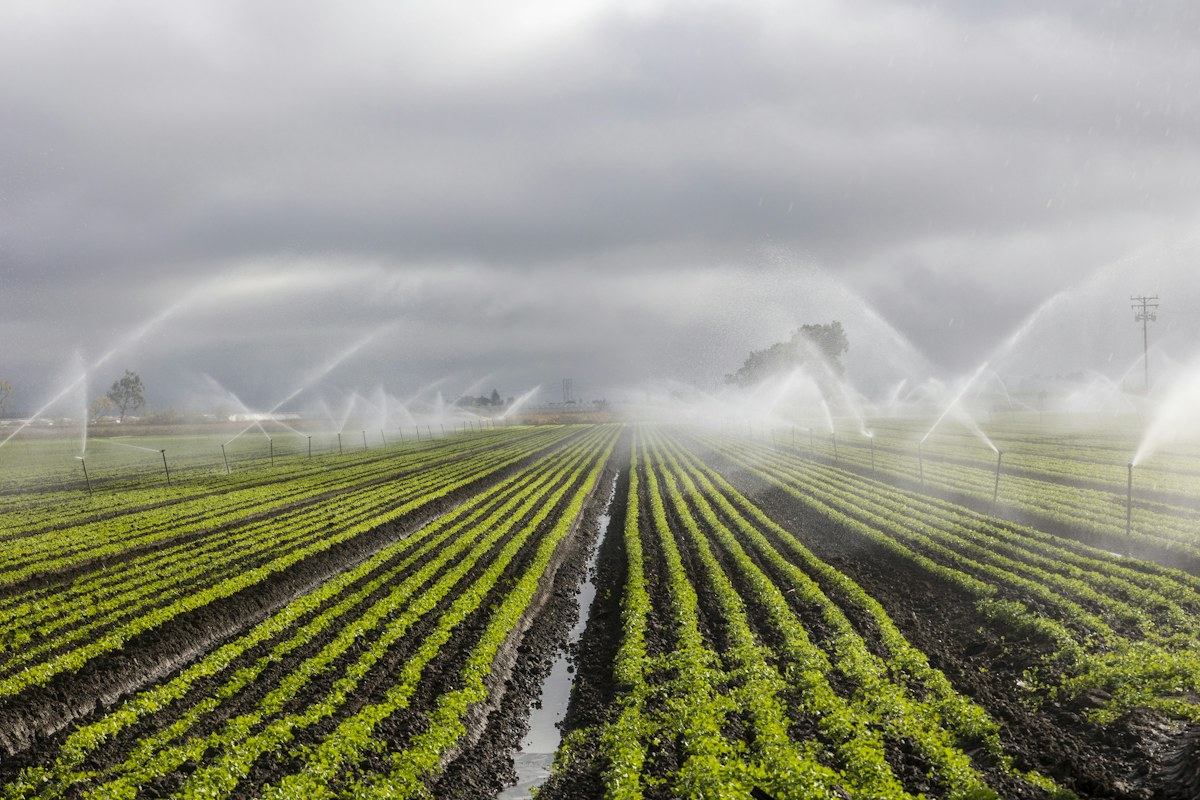
Godavari Cauvery river linking returned to the spotlight after Andhra Pradesh Chief Minister Chandrababu Naidu met Tamil Nadu Chief Minister Vijay. The immediate issue is water: how to support farming, drinking-water supplies and cooperation between states. Political support matters, but it is only the beginning of a much longer process.
By Sai Venkatesh Talks · Updated 17 October 2026
1. What the Godavari Cauvery discussion covered
Reports on the October 13 meeting described discussions about river interlinking, water security and cooperation between Andhra Pradesh and Tamil Nadu. Chennai’s requirements and Krishna water supplies also formed part of the wider conversation. These are connected concerns, but they should not be collapsed into a single promise. A discussion about drinking-water releases does not automatically settle the design or approval of an interlinking project. The important development is that the two governments discussed shared needs directly.
2. Why the proposal attracts support
Water shortages affect farming decisions, household supplies and confidence in the next agricultural season. Supporters of Godavari Cauvery linking argue that better coordination could improve the use of available water across regions. However, available water needs a technical definition. Water moving downstream is not automatically unused: rivers support ecosystems, communities and existing allocations. A credible proposal must account for those requirements before promising additional supplies. Political enthusiasm should therefore be followed by clear information about the water that could actually be transferred.
3. What the two states need
Tamil Nadu’s interest includes dependable supplies, while Andhra Pradesh must consider its own agricultural and drinking-water requirements. Cooperation works only when both sides understand the commitments being proposed. The practical questions are straightforward: what quantity could be transferred, during which periods, under what conditions and with which safeguards? Public discussion should distinguish an intention to cooperate from a final allocation. Farmers and residents need clear commitments rather than assumptions built around photographs of a successful meeting.

4. Why the Centre has a role
News reports said Vijay had requested national-priority treatment for the proposal in discussions with the Prime Minister. Central support can matter for coordination, financing and the relevant approval processes. Even so, a request is not an approval, and an approval is not completed construction. Readers following Godavari Cauvery developments should look for named decisions, responsible agencies and published milestones. Those details show whether the proposal is moving beyond political endorsement into a defined programme of work.
5. Benefits depend on safeguards
Reliable water supplies can support more predictable farming and reduce pressure on drinking-water systems. Those are potential benefits, not guaranteed outcomes from this particular meeting. The eventual result depends on hydrology, infrastructure, operating rules and maintenance. Environmental effects and downstream requirements also need examination. Cost estimates should include more than the initial construction bill. A project that appears attractive in a headline still needs a workable plan for operation, accountability and performance over its useful life.
6. What real progress should look like
The next useful update would explain the proposal’s current stage, the approvals still required and the responsibilities accepted by each government. A realistic timetable should separate studies, agreements, financing and construction. It should also explain what happens during a low-water period. That is where water-sharing arrangements face their toughest test. Godavari Cauvery coverage becomes more useful when it tracks these milestones instead of treating every meeting as a fresh announcement of an already completed project.
7. Godavari Cauvery: What farmers should take away
The meeting is a sign of engagement, not a reason to change a crop plan on the assumption that additional water is already assured. Farmers need official local supply information and clear implementation updates. Another meeting is less important than dependable water reaching the field. Judge the proposal by the decisions that follow, the agreements that become public and the work that actually starts. Cooperation deserves attention, but delivery deserves the closest scrutiny. That remains the practical test of any major water announcement.
2 responses to “Godavari Cauvery: 7 Essential Facts, Benefits and Risks”
[…] […]
[…] Godavari Cauvery: 7 Essential Facts, Benefits and Risks […]