

How did India become one of the world’s most important suppliers of affordable medicine? The answer begins with a patent-law turning point and extends to global manufacturing, competition and public health.
Why India Is Called the Pharmacy of the World
India has become a crucial source of affordable medicines for patients across the world. Indian manufacturers account for approximately 20% of the global supply of generic medicines by volume, according to Indian government estimates. From the United States and Europe to Africa and Asia, Indian pharmaceutical products are part of healthcare supply chains. This achievement did not happen overnight. It grew from policy changes, scientific expertise, manufacturing capacity and international competition.
What Are Generic Medicines?
A generic medicine contains the same active ingredient as its reference branded medicine and must meet applicable regulatory standards. When relevant patent and exclusivity protections have ended, competing manufacturers can seek approval to sell generic versions. They generally avoid repeating the original drug-discovery programme, while competition between suppliers can lower prices. Lower price does not automatically mean lower quality: approved generics must satisfy the standards of the markets in which they are sold.


The 1970 Patent Law That Changed Indian Pharma
India’s Patents Act, 1970 created a distinctive framework for pharmaceuticals: it excluded patents on pharmaceutical products while allowing protection for qualifying manufacturing processes. Indian scientists and manufacturers could therefore develop alternative chemical processes to produce medicines, within the law. This encouraged expertise in process chemistry, formulation and cost-efficient production. India’s pharmaceutical patent regime later changed significantly in 2005 to introduce pharmaceutical product patents in line with its international obligations.
How India Made Medicines More Affordable
Four forces helped build India’s generic-drug industry: skilled chemists and pharmacists, production at scale, intense competition and decades of accumulated manufacturing knowledge. A large domestic market helped support industrial capacity, while international demand rewarded companies able to meet regulatory requirements. Price advantages vary by medicine and market; not every generic is equally inexpensive.

Cipla, HIV/AIDS and a Global Turning Point
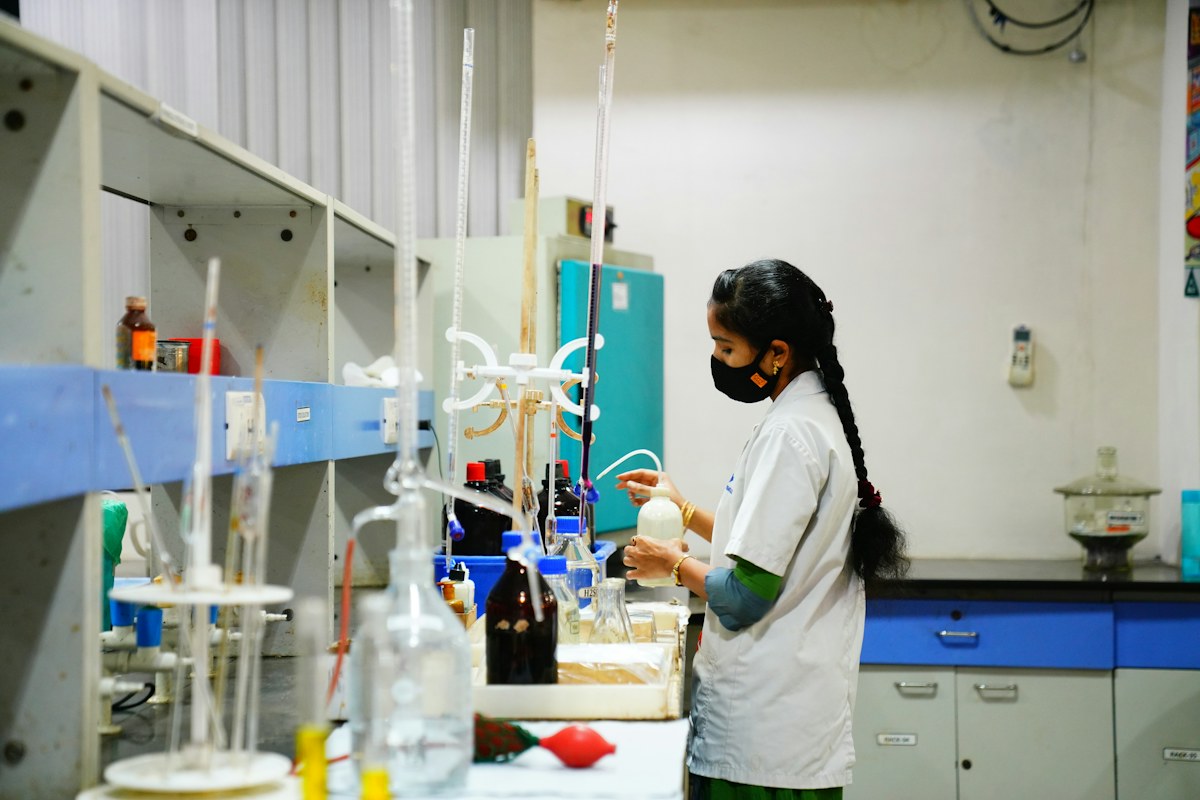
In the early 2000s, antiretroviral treatment for HIV/AIDS was far beyond the financial reach of many patients in lower-income countries. Indian manufacturer Cipla, associated with the leadership of Yusuf Hamied, became widely known for offering a low-cost combination treatment at roughly US$350 per patient per year, compared with branded regimens that had been priced at around US$10,000 or more annually in some settings. The lower prices, alongside international funding, health programmes and advocacy, helped expand access to treatment. This was a defining moment in India’s reputation as a supplier of essential medicines.
Why the United States and Other Markets Buy Indian Generics
The US market demands extensive evidence of pharmaceutical quality, manufacturing controls and regulatory compliance. Indian manufacturers built capabilities to supply such markets, and the US Food and Drug Administration has described India as having more FDA-regulated drug manufacturing facilities than any country outside the United States. That does not mean every factory or product is automatically compliant: inspections, enforcement and continuous quality assurance remain essential.
India’s Vaccine Manufacturing Strength
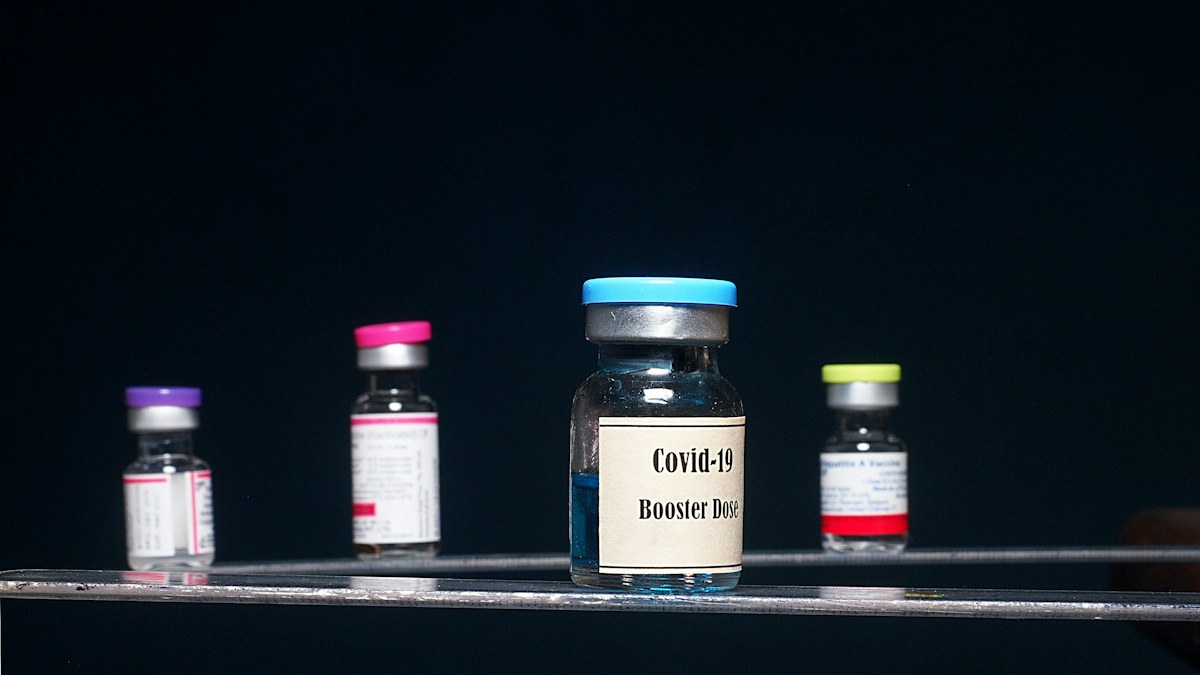
India is also a major global vaccine-manufacturing centre. Indian producers have supplied international immunisation programmes and played prominent roles during the COVID-19 pandemic. Claims about India’s percentage of global vaccine production can vary substantially depending on whether the measure covers doses, capacity, particular vaccines or a particular year, so those figures should be interpreted carefully.

The Weakness: Dependence on Imported Ingredients
A finished tablet may be manufactured in India even when its active pharmaceutical ingredient (API) or key starting material comes from abroad. Dependence on imports, particularly from China for certain products, creates exposure to supply disruptions and trade risks. India’s policy response includes incentives for domestic bulk-drug and API production. Reducing strategic dependencies while preserving affordability is a major challenge.
What Comes Next: From Generics to Innovation
India’s next opportunity lies beyond making existing medicines at lower cost. Complex generics, biosimilars, biotechnology, advanced manufacturing and original drug discovery could help move the industry into higher-value activities. This requires sustained research investment, clinical-development capabilities, stronger quality systems and resilient supply chains. India has proved it can manufacture affordable medicines at scale; the next question is how far it can advance in inventing new ones.
The Bigger Lesson
India became the Pharmacy of the World through a long combination of industrial policy, scientific skill, manufacturing scale and competition. Its success matters not just because of export revenue, but because affordable medicines can widen access to treatment. The future depends on protecting quality, improving supply-chain security and building genuine pharmaceutical innovation.
Sources and Further Reading
US FDA: Generic Drugs Questions & Answers · US FDA: India’s Role as Pharmacy of the World · WIPO: India’s Patent Framework
Editorial note: This article is for public information and discussion, not individual medical advice. Images are illustrative stock photographs. Photo credits: Roberto Sorin, Bhupathi Srinu and Parang Mehta / Unsplash.